Binance & Huobi: A Beginner's Guide to Using Major Crypto Exchanges in 2025
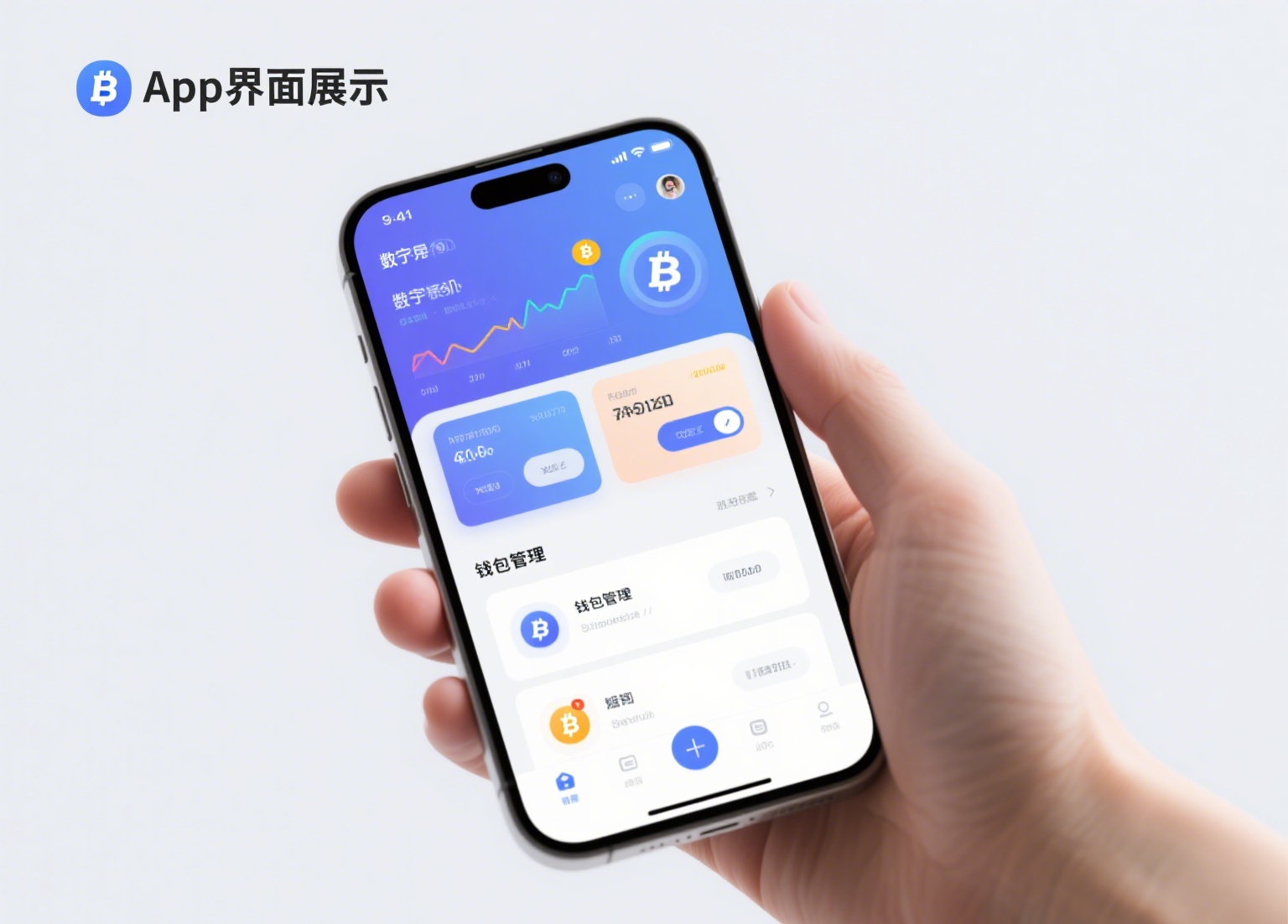
Navigating the world of cryptocurrency can feel overwhelming, especially when you first encounter major platforms like Binance and Huobi (now part of the HTX ecosystem). For beginners and seasoned traders alike, understanding how to use these exchanges is the first step toward secure and efficient trading. This guide breaks down the core functionalities of these top-tier exchanges, focusing on the essential steps for new users.
Getting Started: Registration and Security (KYC)
The first step for any exchange, whether it's Binance, Huobi, or others like OKX or Kraken, is account creation. You will need to provide an email address or phone number and set a strong password. However, the most critical step is completing the Know Your Customer (KYC) verification. This involves submitting a government-issued ID (like a passport or driver’s license) and taking a selfie. Without this, your account will be severely limited—you won't be able to deposit fiat currency (like USD or EUR) or trade above very low daily limits. Both Binance and Huobi have streamlined this process, often completing verification within minutes.
Depositing Funds: Fiat vs. Crypto
Once your account is verified, you need to add funds. There are two main methods:
1. Fiat Deposit: This is where you deposit traditional money via bank transfer, debit card, or credit card. Binance and Huobi offer multiple on-ramps for fiat, with varying fees. Using a card is fast but often comes with a 1-3% fee, whereas bank transfers are cheaper but take 1-3 business days.
2. Crypto Deposit: If you already have crypto in a wallet (like MetaMask or Trust Wallet) or on another exchange, you can transfer it. You must navigate to the "Deposit" section of the asset you want to send (e.g., Bitcoin or USDT). The exchange will generate a unique deposit address and a specific network (e.g., ERC-20 for Ethereum or BEP-20 for Binance Smart Chain). Double-check this network selection—sending crypto on the wrong network can result in permanent loss of funds.
For beginners, the "Buy Crypto" option on the main dashboard is the simplest. You select the amount, pay with a card, and the cryptocurrency is credited immediately.
The Trading Interface: Spot, Futures, and Margin
The heart of any exchange is the trading interface. For beginners, the Spot Market is the safest place to start. Here, you buy and sell actual cryptocurrency at the current market price. The interface typically shows a chart on top, a "Buy" and "Sell" order book on the right, and your current holdings at the bottom.
- **Market Order:** You pay the current best available price. It's instant and simple but you might pay a slight premium due to slippage.
- **Limit Order:** You set a specific price you want to buy or sell at. The order sits in the book until the market reaches that price. This method offers more control and saves you on fees for large orders.
Warning Signs for Beginners: You will also see "Futures" and "Margin" tabs. These allow for leveraged trading (e.g., 2x, 5x, 10x). While these can multiply profits, they also multiply losses. It is highly recommended to stick to "Spot" trading until you fully understand risk management, stop-losses, and liquidation prices. Binance and Huobi have a "Convert" feature, which is a simpler swap tool that is perfect for users who just want to change one asset for another without looking at charts.
Withdrawing Your Crypto: The Final Step
A common mistake is leaving all your crypto on the exchange. For security reasons, it is wise to withdraw large amounts to a hardware wallet (like Ledger or Trezor) or a self-custody software wallet. To withdraw, go to the "Withdraw" section. Enter the wallet address of your external wallet, select the correct network (again, crucial!), enter the amount, and confirm via email and 2FA. Note that exchanges charge a fixed withdrawal fee (often in the range of $1 to $10 depending on the blockchain).
Fees and Key Differences
Both Binance and Huobi use a maker-taker fee model. Generally, Binance offers the lowest spot trading fees (0.1% maker/taker) and has rebates if you use their native BNB token. Huobi (HTX) has slightly higher fees but offers fee discounts for holding their HT token. For beginners in the US, access is restricted; Binance US is a separate platform with fewer coins, while KuCoin or Kraken are often better alternatives for non-US users depending on local regulations.
Final Checklist for New Users
1. Enable 2-Factor Authentication (2FA) immediately (Google Authenticator is better than SMS).
2. Start with a tiny deposit (e.g., $50) to test the deposit and withdrawal process.
3. Use the "Spot" market, not "Futures."
4. Never share your private keys or login credentials.
5. Understand that "not your keys, not your coins" – treat the exchange as a portal, not a bank.
By following these steps, you can safely use Binance, Huobi, and other major exchanges to buy your first Bitcoin, Ethereum, or USDT, and begin your journey in the crypto economy.